
DH
Guest writer — Dominic Hale
Auction analyst who reads sale results for a living and keeps a running list of the ways sellers leave money on the table.
Auction analyst who reads sale results for a living and keeps a running list of the ways sellers leave money on the table.
People love a tidy rule of thumb for selling valuables. The problem is that most of the popular ones are wrong, and the wrong ones are expensive. So instead of vague advice, here is a working toolkit: a checklist, the real numbers, and a short do-and-don’t you can apply to whatever is sitting in your drawer or safe right now.
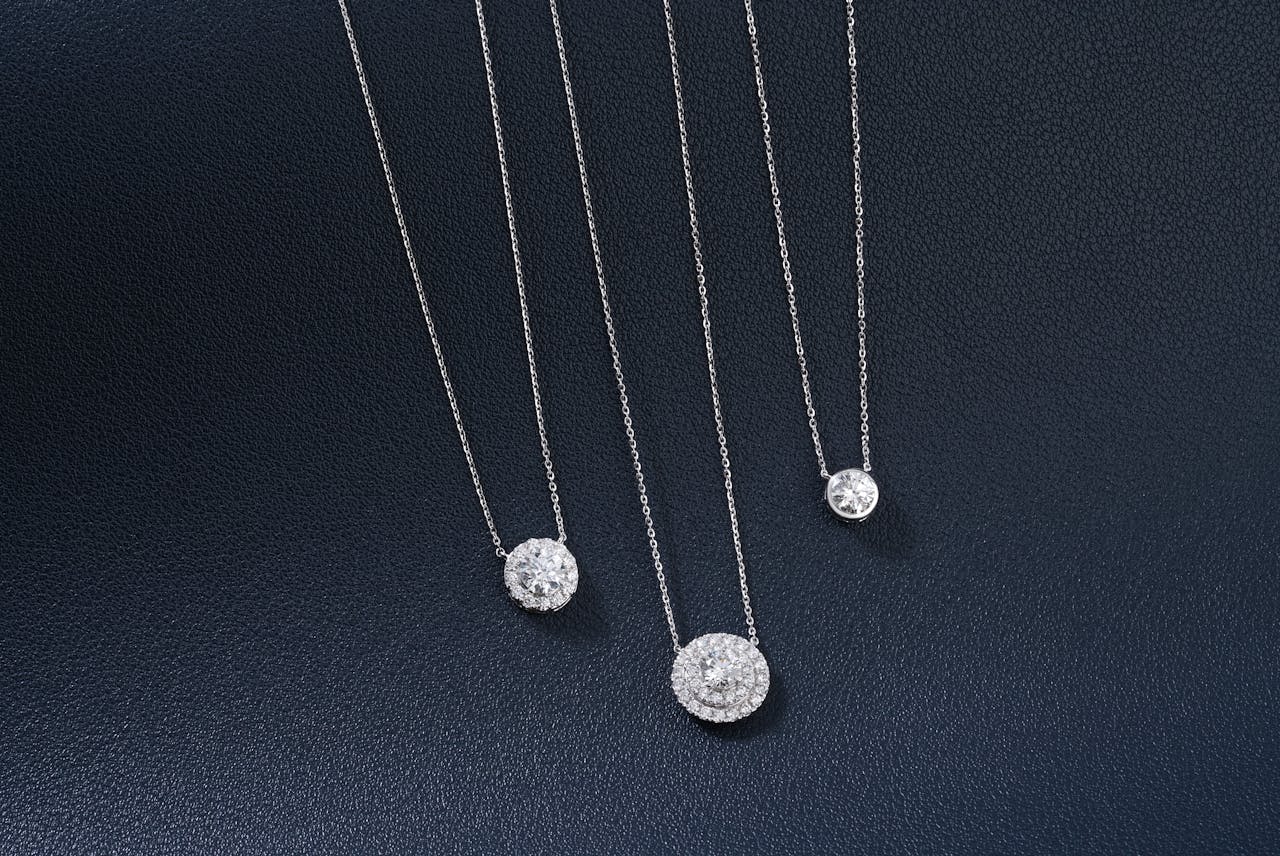
Quick verdict: if more than one collector would want it, an auction almost always beats a single cash offer. If it is generic or meltable, sell it fast and locally. The trick is telling the two apart — which is exactly what the checklist below is for.
Is your piece auction-material? A 60-second checklist
- ✓ It carries a maker’s mark, signature, hallmark or mintmark.
- ✓ It came with paperwork, a box or any provenance.
- ✓ It is scarce, dated, or by a recognised name.
- ✓ You have ever quietly wondered “is this actually rare?”
Two or more ticks? Stop reading offers and start getting opinions. Zero ticks? It is probably a quick local sale — and that is fine.
By the numbers
2–3×
how much a contested lot can beat a flat cash offer
~ weeks
from consignment to sale day, not months
2
determined bidders is all it takes to move a price
Do this, not that
✓ Do
- Photograph every mark and any paperwork.
- Get one professional opinion before selling.
- Separate melt-grade filler from real pieces.
✗ Don’t
- Accept the first “final offer” on the spot.
- Polish or “fix” anything before it is seen.
- Assume “old” means “worthless.”
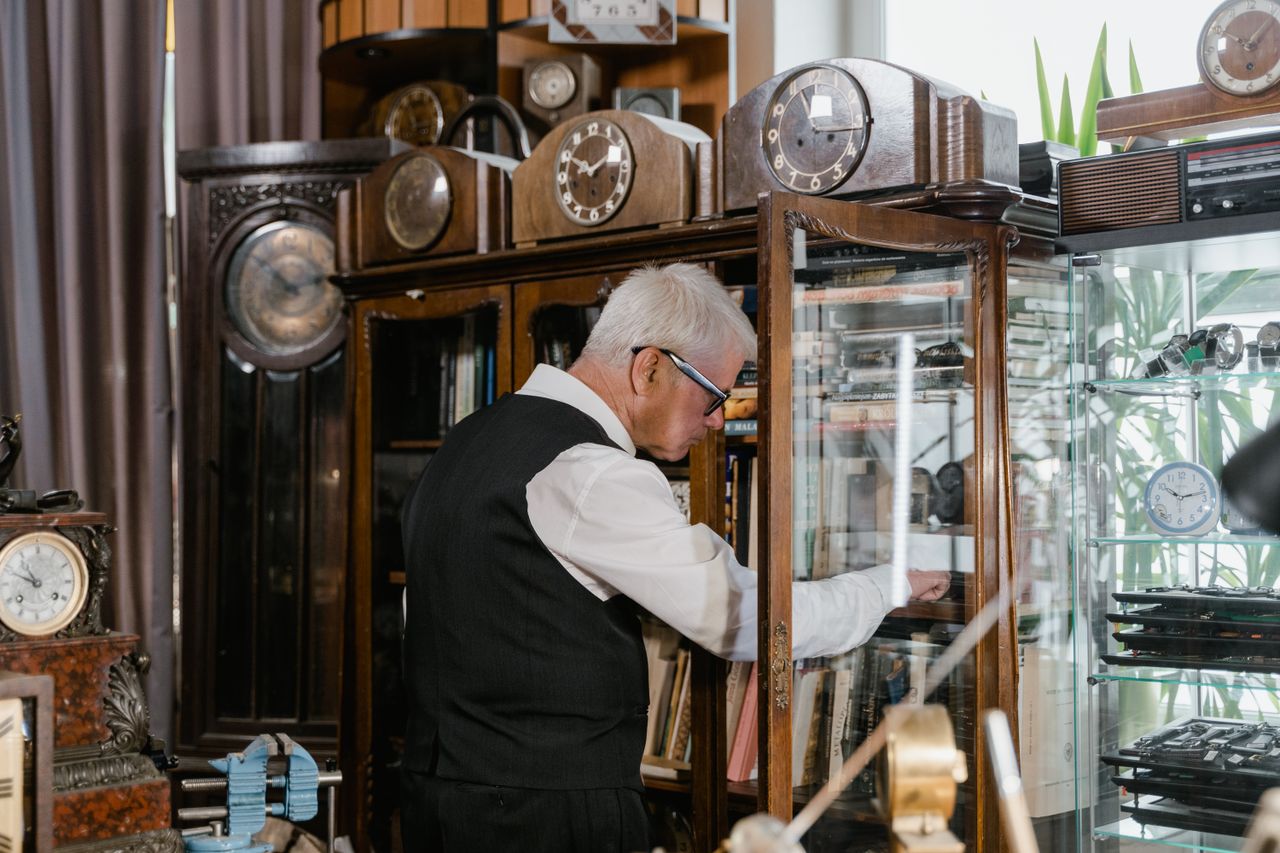
When you are ready to put the real pieces in front of competing bidders, Auction Wallstreet is a North Miami Beach house handling fine art, antiques, jewelry and watches — the categories where a room reliably beats an offer.
“The most expensive sentence in this business is ‘it’s probably not worth much.’”
“Ran my late uncle’s coins through the checklist, ticked three boxes, and they tripled the buyer’s quote at auction.” — Sandra, Hillsboro Beach
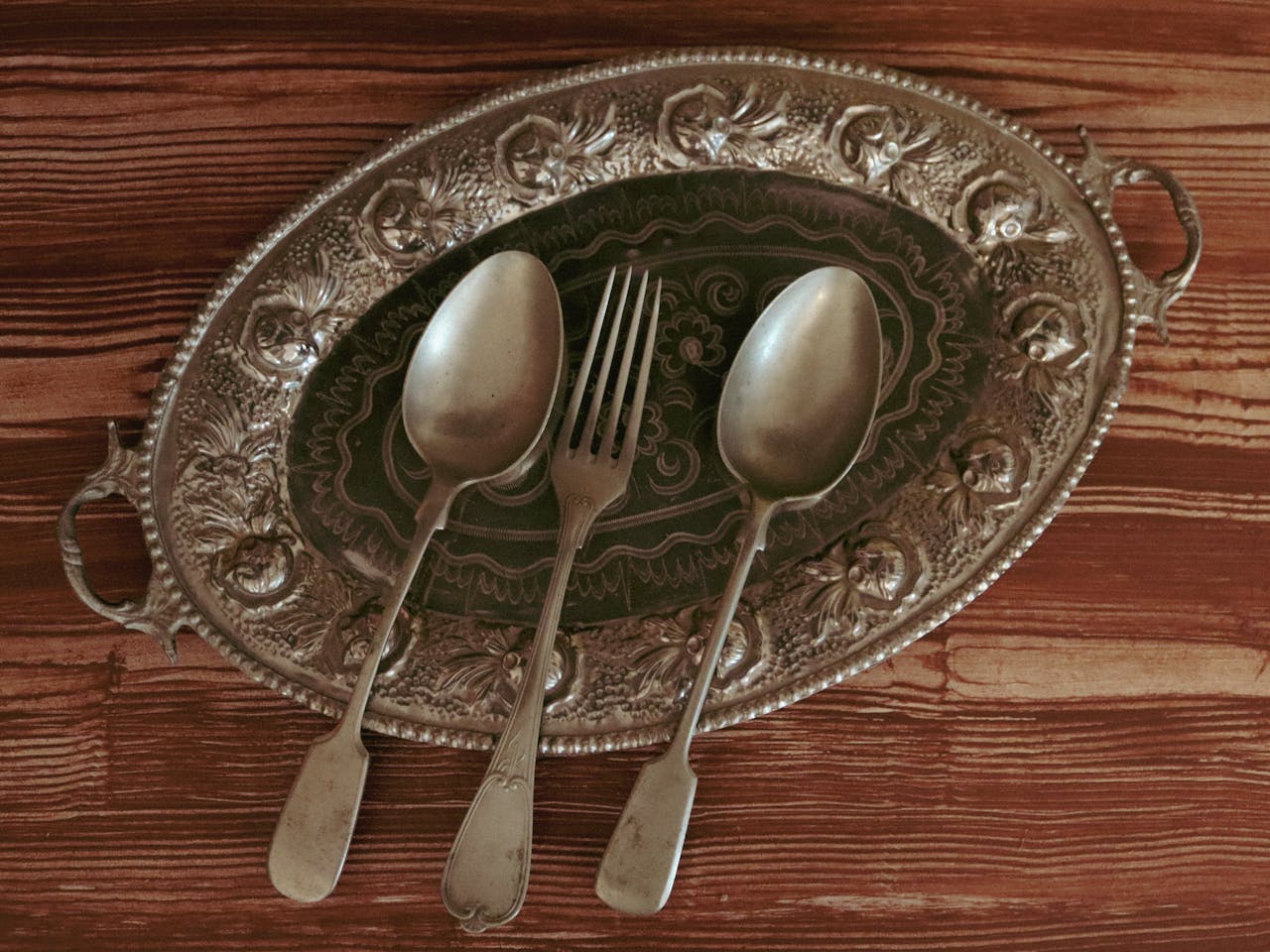
“I almost polished a tarnished tray. Glad I didn’t — the patina was part of the value.” — Walter, Boca Raton